Blog
What To Do Immediately After Water Damage in Boerne
First steps after water damage in Boerne: stop the source if safe, avoid contaminated water, document damage, and request drying help.
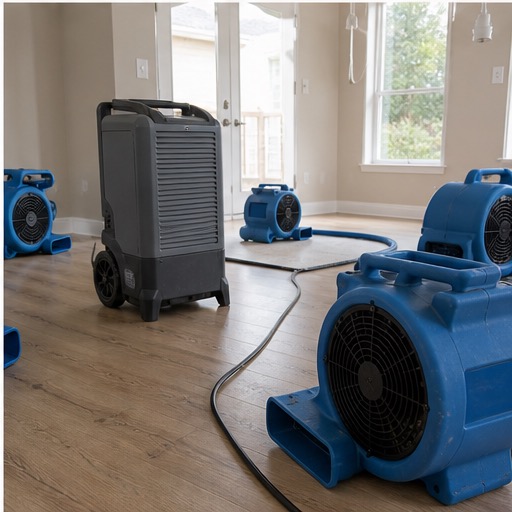
If water is still moving, start there. Stop the source if you can do it safely, stay out of any water that may be contaminated or near electricity, take photos, and get wet materials drying quickly. The first hour is less about perfect cleanup and more about stopping spread.
Water Damage First Steps in Boerne
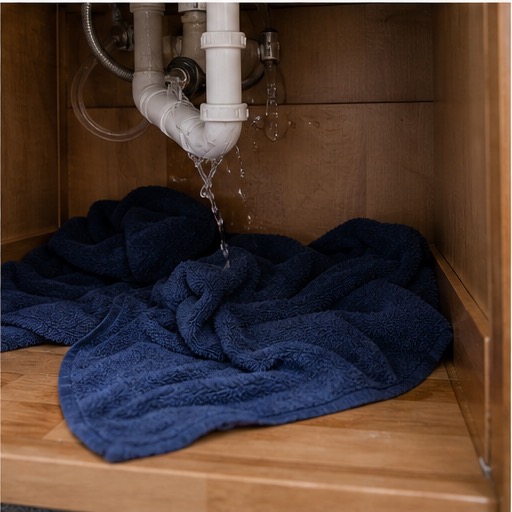
After water damage, the safest first move is to separate what you can do from what needs a trained cleanup crew. A clean supply-line leak under a sink is different from sewage, floodwater, or water near outlets.
If it is safe, shut off the water source. That may mean the fixture valve, the water heater valve, or the main shutoff. If you see sagging ceilings, soaked electrical areas, sewage, or outside floodwater, do not wade in to investigate. The CDC warns that floodwater can contain sewage, chemicals, sharp debris, and other hazards.
Once people are safe and the source is stopped or contained, document the damage before moving things around. Photos of the water source, wet rooms, flooring, baseboards, walls, ceilings, and contents can make the first quote conversation much clearer.
Then think about drying, not just wiping. The EPA says wet materials and standing water can create long-term indoor air and mold risks if moisture is not reduced. That is why water extraction, drying equipment, and moisture checks matter after more than a small spill.
What To Check First
- Is the water source stopped?
- Is the water clean, or could it involve sewage, floodwater, or a drain backup?
- Are outlets, cords, appliances, or the breaker panel near wet areas?
- Are ceilings bulging, dripping, stained, or soft?
- Is carpet, pad, wood flooring, drywall, trim, or cabinetry wet?
- Did water reach more than one room or level of the home?
- Do you need photos for insurance or a landlord before cleanup starts?
Small clean-water spills can sometimes be handled with towels, airflow, and close watching. A larger leak is different. Water can sit behind baseboards, under flooring, inside cabinets, and in wall cavities while the surface looks calmer than it really is.
Boerne homes also see water damage from a mix of causes: burst pipes, water heater leaks, appliance supply lines, toilet overflows, roof leaks, and storm water. The source matters because it changes cleanup, safety, drying, and what materials may need removal.
What Not To Do Right Away
Do not turn on fans if you suspect mold growth or sewage contamination. Do not use a household vacuum on standing water. Do not walk through water near electrical hazards. And do not paint, caulk, or cover stained materials before they are dry and checked.
The EPA specifically notes that porous materials can be difficult or impossible to fully clean once mold has grown into them. That does not mean every wet material is automatically ruined. It means guessing is risky when drywall, carpet pad, insulation, or cabinetry has stayed wet.
When The Water May Be Contaminated
Treat sewage backup, toilet overflow with waste, and outside floodwater as a safety issue. The CDC says floodwater may carry human or livestock waste, chemicals, germs, sharp objects, and other hazards. If you have to be near it, protective gear matters. If you can stay out of it, stay out.
This is one of the biggest reasons to request help instead of trying to mop everything yourself. Contaminated water is not just wet. It can affect what gets removed, how the space is cleaned, and what should be documented.
When To Request Help
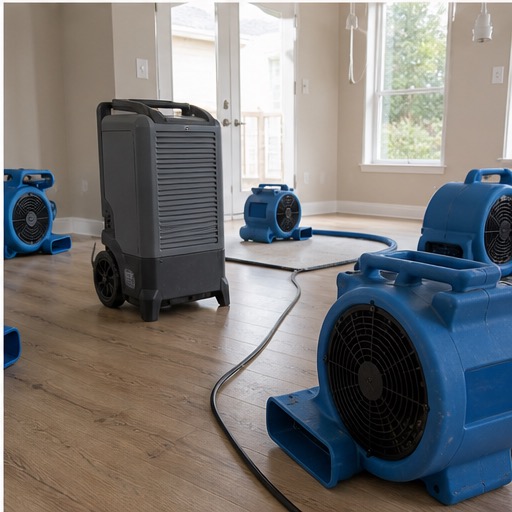
Request emergency water damage restoration in Boerne when water is spreading, multiple materials are wet, the source is unclear, there is a sewage concern, or you cannot tell whether walls and flooring are dry underneath.
You should also ask for help if the damage may become an insurance claim. A good first conversation should cover what happened, what is wet, whether extraction is needed, how drying will be monitored, and what photos or documentation may be useful.
Cost depends on the source, affected materials, room count, drying time, contamination, demolition, and documentation needs. For a broader pricing conversation, see water damage restoration cost in Boerne.
What To Share For A Faster Quote
Have these details ready if you can gather them safely:
- Your city or neighborhood.
- Where the water came from.
- Whether the source is stopped.
- How long the area has been wet.
- Which rooms and materials are affected.
- Whether there is sewage, drain backup, or outside water.
- Photos of the source, floors, walls, ceilings, and contents.
- Any insurance or documentation needs.
The best first call is not a sales pitch. It is a triage conversation. What happened, what is still wet, what could be unsafe, and what needs to happen before the damage spreads.